HighPCB upholds the highest standards, strictly adhering to key industry guidelines such as IPC-2221, IPC-A-600, IPC-A-610, IPC CLASS 2, and IPC CLASS 3.
HighPCB mantém os mais altos padrões, seguindo rigorosamente as principais diretrizes da indústria, como IPC-2221, IPC-A-600, IPC-A-610, IPC CLASS 2 e IPC CLASS 3.
In recent years, the convergence of printed circuit boards (PCBs) and the Internet of Things (IoT) has unleashed a wave of innovation, transforming the way we interact with devices and the world around us. The marriage of PCB technology and IoT connectivity has given rise to a new generation of smart devices that are revolutionizing…
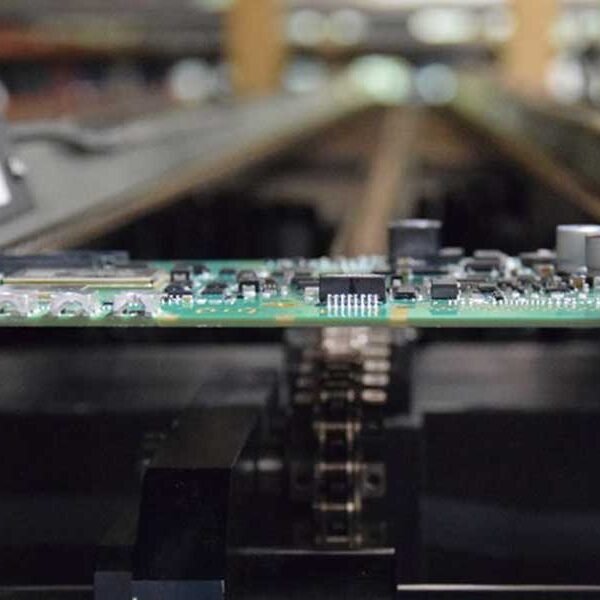
Reflow soldering is a widely used method for soldering surface mount components onto printed circuit boards (PCBs). It involves the use of solder paste, which is a mixture of tiny solder particles suspended in a flux medium. The solder paste is applied to the PCB pads, and then the components are placed on top of…
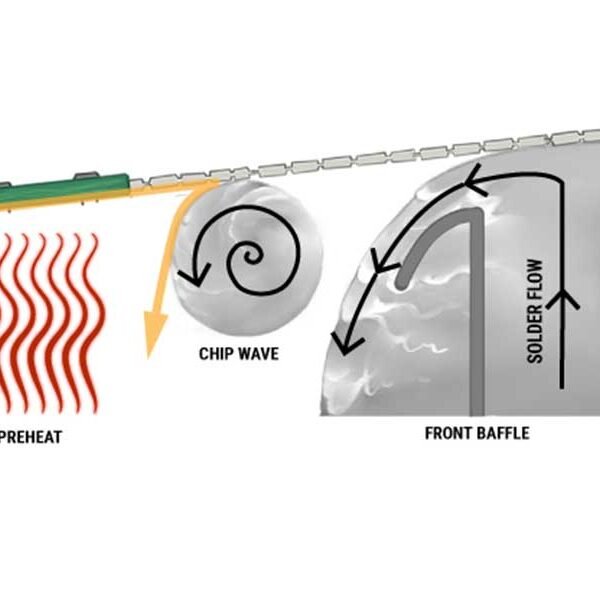
Wave soldering is a common method used for soldering electronic components onto printed circuit boards (PCBs) during the manufacturing process. It is primarily used for through-hole components, which have leads that pass through holes in the PCB. The process of wave soldering involves the following steps: Preparation: Before wave soldering, the PCB is prepared by…
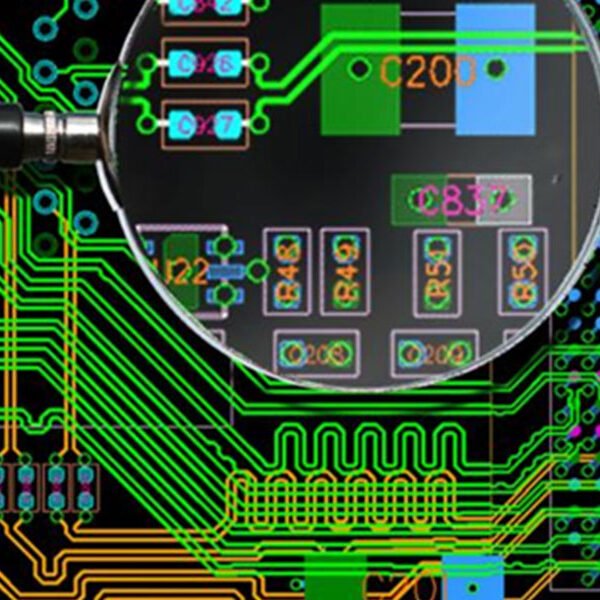
The term “Gerber file” is commonly used in the field of electronic circuit board design and fabrication. It refers to a standard file format that contains the information necessary for manufacturing printed circuit boards (PCBs). Gerber files are generated by electronic design automation (EDA) software, such as PCB layout tools, and they provide a detailed…
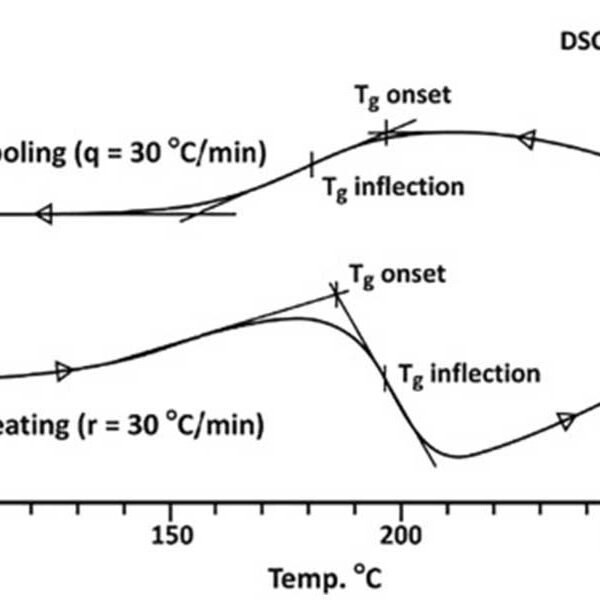
(Printed Circuit Board) fabrication, “TG” stands for “Glass Transition Temperature.” The glass transition temperature is the temperature at which a material transitions from a rigid, glassy state to a softer, more flexible state. In PCB fabrication, TG refers to the glass transition temperature of the base material used for the PCB. The TG value is…
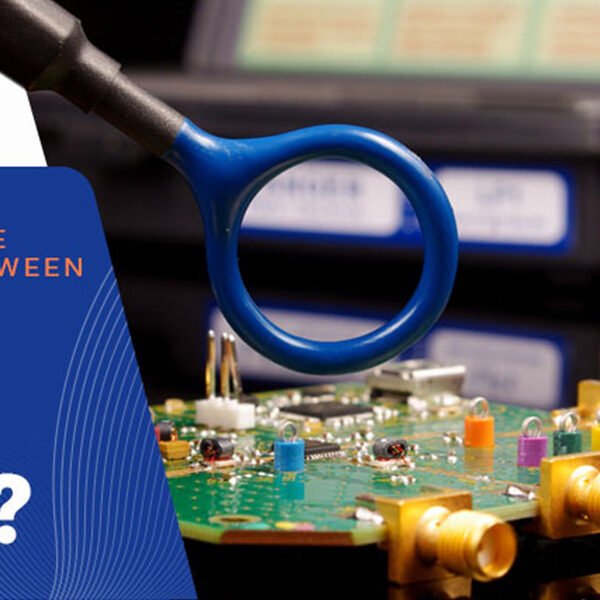
EMI (Electromagnetic Interference) and EMC (Electromagnetic Compatibility) are important considerations when designing printed circuit boards (PCBs) to ensure proper functionality and compliance with regulatory standards. Here are some key concepts and techniques to address EMI and EMC in PCB designs: 1. Grounding and Shielding Proper grounding techniques and the use of shielding can help minimize…
The history of PCB assembly (Printed Circuit Board assembly) is closely tied to the development of electronic technology and the need for efficient and reliable methods of interconnecting electronic components. Here’s a comprehensive overview of the history of PCB assembly: 1. Early Developments In the early 20th century, electronic circuits were primarily constructed using point-to-point…
The word PCB is an abbreviation of Printed Circuit Board, which means printed circuit board. In the following article, we intend to explain everything about electronic boards to you in the simplest way. What is PCB design? PCB design is also called electronic board design or printed circuit board design. After the schematic design, it…